
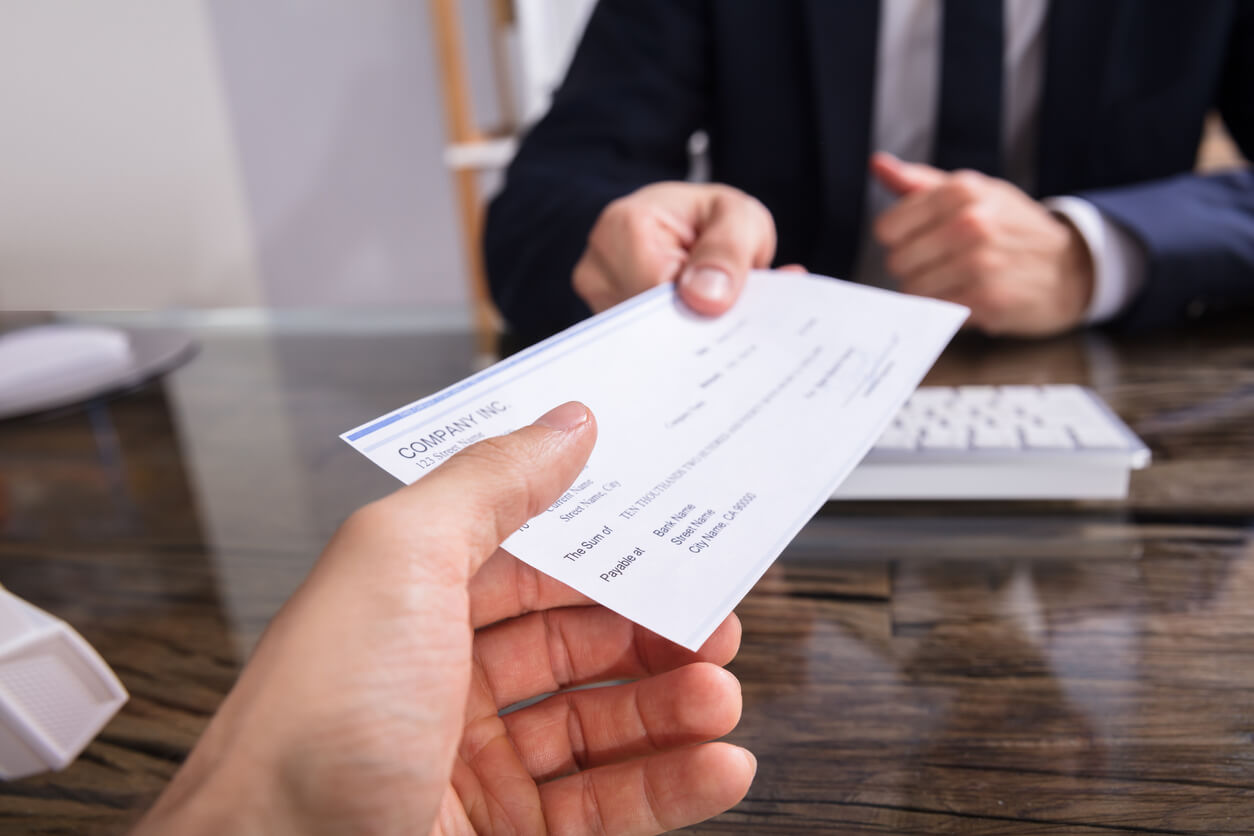
Printing checks at home may be useful for some businesses or individuals that regularly issue checks. It can be economical, convenient, and customizable when done correctly. However, checks must be created with the proper supplies, formatting, and security features so they can be processed correctly.
Before printing checks at home, it is important to understand the process and requirements. The steps below explain the basic supplies, layout, and printing considerations.
Shopping for the Supplies
You will need the proper equipment and materials before printing your own checks. These items may pay off over time if writing checks is a regular part of your payment process.
-
Check stock paper
Check stock paper is made specifically for checks and often includes security features that help prevent alteration. The standard check dimensions will also help guide your design. -
Check writing software
There are many check design and check writing software options available. Examples may include Checkeeper, QuickBooks, and Relyco. -
MICR font and magnetic ink
MICR stands for Magnetic Ink Character Recognition. It is used for electronic recognition of routing and account numbers on checks.
Check stock paper, MICR fonts, and magnetic ink are available through many office supply stores and online retailers.

The Design Process
Checks follow a standard layout, and it is important to follow that layout carefully. If a check is not designed correctly, it may be rejected or may not process properly. A typical check design should include the following elements.
-
Account and routing numbers
The routing number is usually placed at the bottom left of the check. The account number is placed to the right of the routing number. The check number is usually placed after the account number. -
Name and address
The account holder’s name and address are generally placed in the upper left corner. -
Bank logo or bank information
If you include bank information or a bank logo, make sure it is placed correctly and approved for use. -
Check number
The check number is generally placed in the upper right corner. -
Bank fractional number
The fractional number is usually placed below the check number. It should be smaller than the check number but still readable. This number represents the bank region and can be obtained from your bank. -
Date line
The date line is usually placed on the right side of the check. -
Dollar amount box
The dollar amount box is usually placed on the right side of the check below the date line. -
Payee line
The “Pay to the Order of” line is used to identify the recipient of the payment. -
Written dollar amount line
This line is used to write out the payment amount in words. It is usually placed below the payee line. -
Memo line
The memo line is usually placed near the lower left area of the check. -
Signature line
The signature line is usually placed near the lower right area of the check.
Routing numbers, account numbers, and check numbers should be printed using the appropriate MICR font and magnetic ink when required by your bank or check processing standards.
The Final Product
After reviewing the check and confirming that everything is placed correctly, the check may be ready to print. Checks can be printed blank and filled out manually, or they can be printed with the payee name and amount using check writing software.
Printing checks at home can be convenient, but it requires the correct supplies, formatting, and security features. For businesses that issue checks regularly, outsourcing check printing and mailing may save time and reduce operational work.
To learn more about how we handle check issuing and printing, browse our website or contact us to request a demo.