
What is an ACH direct deposit? In a nutshell, direct deposit is an effective way of transferring money electronically. With this option, you won’t have to worry about going to the bank every month to cash your checks.
Direct deposits enable you to automatically process your paychecks and Social Security payments. Since it’s an electronic process, it is faster and safer than making paper deposits at the bank. This guide provides a detailed overview of setting up direct deposits, the benefits of direct deposits, and instructions on sending one to yourself.
Quick Answer Summary
Setting up ACH direct deposit is typically a straightforward process that involves providing your employer or payment provider with your routing number, account number, account type, and a completed authorization form. Once verified, funds such as payroll, tax refunds, Social Security benefits, and other payments can be deposited securely and automatically into your bank account.¹²
Key Takeaways
- ACH direct deposit allows employers, government agencies, and businesses to deposit funds directly into your checking or savings account electronically.¹
- Setting up direct deposit usually requires a completed authorization form, your routing number, account number, and account type.¹²
- Many banks allow direct deposit setup without paper checks by providing online account information or official banking documents.²
- ACH direct deposit is commonly used for payroll, tax refunds, Social Security benefits, pensions, and recurring payments.¹³
- Verifying your banking information before submitting authorization forms helps prevent payment delays and processing errors.¹²
Benefits of a Direct Deposit Account
- Direct deposit is a fast and convenient process: your money is automatically deposited into your account without the hassle of going to the bank. You can also access the funds the same day they are deposited.
- Ensures safety: ACH Direct deposit ensures that your money is transferred securely and promptly.
- Has an overdraft protection feature: Some banks offering the direct deposit option have an automatic overdraft rewind feature, which reevaluates transactions, reverses overdrafts and non-sufficient funds occurrences, and refunds the associated fees.
| Feature | ACH Direct Deposit | Paper Check |
|---|---|---|
| Delivery Speed | Usually 1–2 business days | Depends on mail delivery and deposit time |
| Security | Encrypted electronic transfer | Can be lost, stolen, or altered |
| Convenience | Funds are deposited automatically into your bank account. | Requires physical delivery and manual deposit or cashing. |
| Processing Cost | Generally lower processing costs. | Printing, postage, handling, and replacement costs may apply. |
| Recordkeeping | Electronic payment records are automatically created. | Often requires manual filing and reconciliation. |
How to Set Up ACH Direct Deposit
Whether you sign up through a financial institution or your employer, setting up direct deposit is usually similar. To set up a direct deposit, here are the five key steps to follow:
1. Obtain a direct deposit authorization form
If you ask yourself, “How do I set up direct deposit?” start by requesting a printed or online direct deposit authorization form from your financial institution or employer. The authorization form is a document that permits a third party to transfer money to your bank account.
Another important question many ask is, “How do I get a direct deposit form?” Getting a direct deposit to your bank account is usually easy and fast, as most banks offer a link on their website labeled “Set up Direct Deposit,” which allows you to create a customized direct deposit form. After clicking on the pre-filled form, simply add the necessary information electronically and save it to initiate the deposit process.
Alternatively, you can download the blank form as a PDF and fill in the required details yourself. The forms usually include instructions that show where to find the necessary information to complete the direct deposit form. When filling out the form, some of the things to keep in mind include the following:
- Read through the form completely and ensure that the checklist items are followed.
- Keeping the information confidential.
- Submit the form directly to your employer.
- Following up with the payroll department to check the progress of the deposit.
2. Fill in your account details
For your payments to be authorized, the bank account information you provide must be validated for security purposes. You are required to provide direct deposit information, including your bank account details. Some of the key information needed when setting up a direct deposit includes:
- The bank’s mailing address can be found on your bank statement or on the bank’s website.
- Routing number: When setting up a direct deposit, you must provide your bank’s routing number. This is the nine-digit number located at the bottom of your bank statement.
- Your account number: It is usually below the routing number. You may also find it on your bank statement, deposit slip, or a paper check if you have them.
- The account type: Another important piece of direct deposit information you need to provide is where you wish to send the deposit, whether to your savings or checking account.
- Your Social Security number: Some authorization forms require it.
- Your address: You may also need information about your address and email address.
3. Confirm the amount of the deposit
Confirm whether you would like to deposit the entire paycheck into a single account or split the amount across multiple accounts. Most direct deposit recipients put the full amount of their paychecks into their checking accounts, but you can divide the money into separate accounts.
Some financial institutions may allow their customers to direct deposit into more than two accounts. This should be influenced by your budgeting decisions, including how much you plan to spend, save, or invest.
4. Attach a deposit slip or voided check
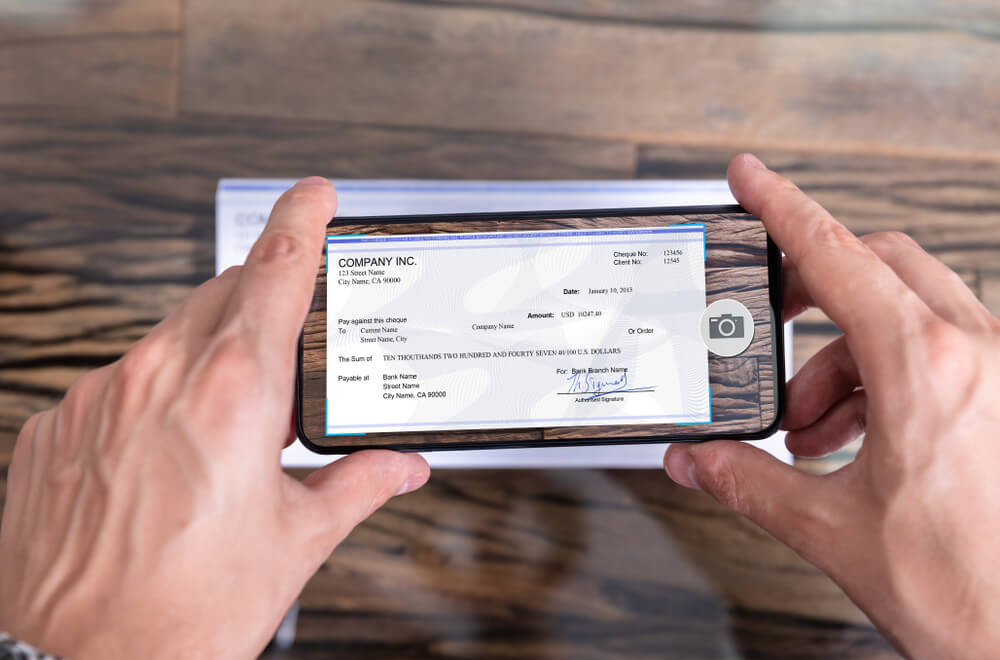
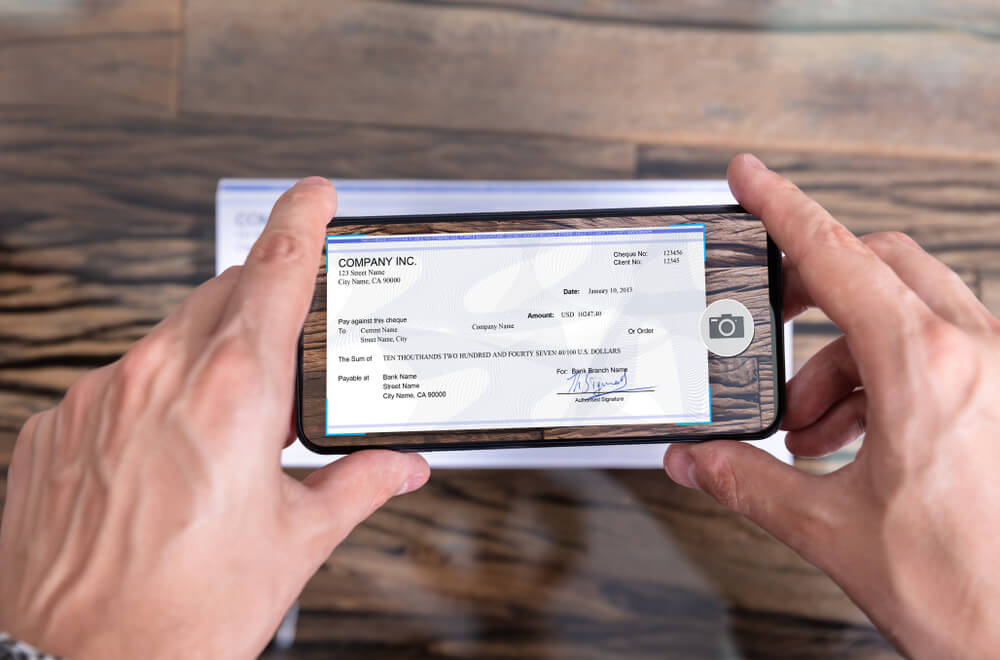
You may need a deposit slip or voided check to verify your routing or account number. Alternatively, you may need to scan your check and send a copy online. Ensure that you write “Void” across the blank check so that no one can withdraw money from your account. This information should be attached to the direct deposit authorization form.
5. Submit the direct deposit form
Once you have filled out the form, give it to your employer and wait for the direct deposit to take effect. Depending on your bank account and payroll department, this process may take a few days to a few weeks. Sometimes, direct deposit takes effect after two pay cycles. Once the deposit is ready, you can set up automatic transfers.
How to Set Up an ACH Direct Deposit Without a Check
Setting up a direct deposit without a check is possible. You just need to provide your bank account information to the payment provider. When setting up a direct deposit without a check, remember this step-by-step guide:
- Contact the payment provider: Inform the provider of your intention to set up a direct deposit and ask for their instructions. Often, you will be asked to follow specific instructions or fill out certain forms.
- Prepare your bank account information: provide the routing number, account number, and account type (savings or checking). You can find all the required bank account information in your online banking or on your bank statement.
- Verify your account: Some payment providers require verification of your account information. You can provide a bank statement or a voided check by getting one from your bank if you don’t have one. Another option would be to provide a screenshot of your account information to the payment provider.
- Submit the required information: Once you have gathered all the information needed, submit it as directed. The payment provider will set up the direct deposit, and the funds will be deposited directly into your bank account on the designated date.
Please note that this process may still vary depending on the payment provider’s specific requirements. You should double-check with the provider to ensure that all necessary information is provided and all instructions are followed properly.
Common Examples of Direct Deposits
Direct deposits are considered a secure and convenient way to receive payments, eliminating the need for cash or paper checks. Below are some of the common examples of direct deposits:
- Investment Dividends
- Tax Refunds
- Paychecks
- Pension Payments
- Social Security Benefits
How Can I Send an ACH Direct Deposit to Myself?
Most people wonder if there is a way they can trigger an ACH direct deposit, particularly to earn promotions and bank bonuses. This is possible through the following alternatives:
- ACH transfers: Most banks offer automated clearinghouse (ACH) transfers, a free way to transfer funds between financial institutions. ACH is a quick way to transfer funds via direct deposit from an existing bank account to a new one.
- Person-to-person payments: This process involves sending money to other accounts online. Once you set up an account with your bank’s system, you can easily make a direct payment between two accounts.
How to Send an ACH Payment
ACH payments are handled electronically. Most customers prefer this method to pay bills because their checks can never be stolen or lost. They don’t need to make trips to an ATM or bank. The deposit option also eliminates check or postage costs, making it a cheap direct deposit option.
Some people, however, are not informed about how to send an ACH payment. To set up the payment into a new checking account, you only need to link the new account with your current bank details. Depending on your bank, you can add a new account to your current account through the bank’s website.
Once you request a direct transfer using the ACH system, your bank will attempt to make small deposits to verify the validity of the new account. Once this is proven, you can transfer money to the new account. In most cases, ACH transfers take a few business days to complete. However, you might have to wait a little longer for large deposits.
Simplify Payments With ACH Direct Deposit
Whether you’re paying employees, contractors, vendors, or issuing customer refunds, ACH direct deposit offers a fast, secure, and efficient way to move money electronically. CheckIssuing provides ACH payment processing, direct deposit services, check printing, email checks, document mailing, and payment automation solutions designed to simplify business payments.
Contact us, call our team, or schedule a meeting today to learn how CheckIssuing can help streamline your payment workflows.
Citations
- Social Security Administration. Direct Deposit.
https://www.ssa.gov/number-card - NACHA. What Is ACH?
https://www.nacha.org/content/ach-payments-fact-sheet - Consumer Financial Protection Bureau. Managing Your Bank Account.
https://www.consumerfinance.gov/consumer-tools/bank-accounts/ - Internal Revenue Service. Direct Deposit Information.
https://www.irs.gov/refunds/get-your-refund-faster-tell-irs-to-direct-deposit-your-refund-to-one-two-or-three-accounts
Last updated: September 2025